

Counseling for bipolar disorder helps you understand your mood changes, spot early warning signs, build coping skills and routines, and plan for what to do when your mood shifts. Our therapists in Woodstock, Lake in the Hills and Elgin, and online anywhere in Illinois, can help whether you come to us first or have already been diagnosed by your doctor, a psychiatrist or an inpatient program.
What is bipolar disorder?
We often hear people joke that they're “bipolar” because their mood changed suddenly. But bipolar disorder is not just mood swings. It's a chronic, episodic mood disorder that causes significant changes in mood, thinking and behavior. Its key feature is manic or hypomanic episodes, when a person's mood is abnormally euphoric or frantic, punctuated by major depressive episodes. These erratic changes can make bipolar disorder very challenging and exhausting to manage.
What does living with bipolar disorder feel like?
Most often, people come to counseling for bipolar disorder because they're struggling to manage constantly changing moods. Periods of depression can leave them immobilized, seemingly unable to take any action, and sometimes with suicidal thoughts. Then, in what feels like the blink of an eye, that mood can change to euphoria. They may take risks they otherwise wouldn't, spend money they otherwise wouldn't, and damage relationships with unusual behavior, irritability or risk-taking.
With bipolar disorder it can be very hard to regulate sleep or keep a daily routine, to know what you're feeling and when, and to know what to do about it. All of this can make life and relationships very difficult.
How does counseling help with bipolar disorder?
We start by understanding the nature of your mood changes: when they happen, and how they affect your daily life, behavior and relationships. From there, we work with you to:
- Track your moods, understand the patterns that emerge, and recognize early warning signs of a mood change
- Develop strategies for coping with intense thoughts and feelings
- Build healthy daily routines around sleep, stress management and other factors that support emotional stability
- Identify and respond to triggers for emotional change
- Create a relapse prevention plan, so that in the middle of an emotional storm you have a better idea of how to respond
Will I need medication?
People with bipolar disorder may also benefit from medication. After meeting with you and exploring how bipolar disorder affects your life, your counselor may recommend that you connect with a psychiatrist or psychiatric nurse practitioner to discuss medication options. Medication can work alongside counseling by making changes in mood, thinking and behavior less severe, which gives you a little more control as you work toward change. When appropriate, your therapist will help you find a provider in the area.
If you are in crisis or thinking about suicide, call or text 988 to reach the 988 Suicide & Crisis Lifeline, available 24/7. If someone is in immediate danger, call 911.
Meet Our Therapists Who Specialize in Bipolar Disorder
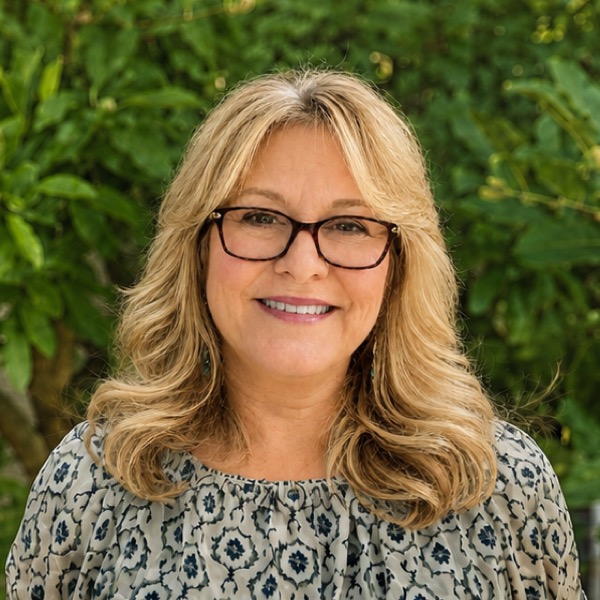

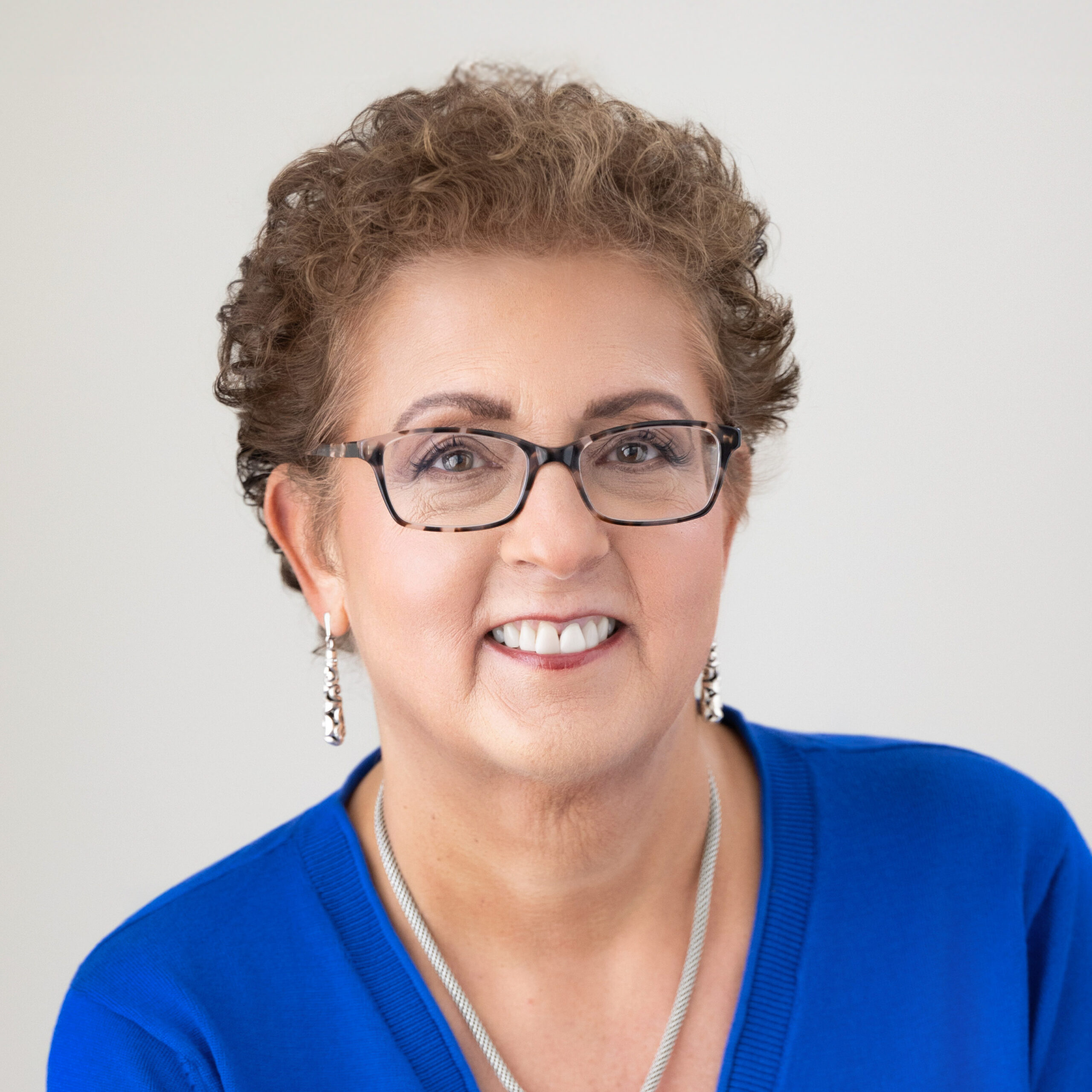

We offer therapy services in Woodstock, Lake in the Hills, Elgin, and anywhere in Illinois through online counseling. See Rates and Insurance for fees and the plans we accept.
Frequently Asked Questions About Bipolar Disorder Counseling
Is bipolar disorder just mood swings?
No. Bipolar disorder is a chronic, episodic mood disorder that causes significant changes in mood, thinking and behavior. Its key feature is manic or hypomanic episodes, when mood is abnormally euphoric or frantic, alternating with major depressive episodes.
How does counseling help with bipolar disorder?
Counseling helps you understand your mood changes and their impact, track your moods and spot early warning signs, build coping strategies for intense thoughts and feelings, develop healthy routines around sleep and stress, identify triggers, and create a relapse prevention plan.
Will I need medication for bipolar disorder?
Many people with bipolar disorder benefit from medication alongside counseling. After exploring how bipolar disorder affects your life, your counselor may recommend meeting with a psychiatrist or psychiatric nurse practitioner, and can help you find one in the area.
Do I need a diagnosis before I start counseling?
No. Whether you come to us first or have already been diagnosed by your doctor, a psychiatrist or an inpatient program, our therapists can help you understand what you're experiencing and the options you have.
Where do you offer counseling for bipolar disorder?
Pivotal Counseling Center offers counseling for bipolar disorder in person in Woodstock, Lake in the Hills and Elgin, Illinois, and online anywhere in Illinois. Every one of our clinicians accepts Illinois Medicaid.